Customer Relationship Management System: Complete Guide to CRM Success
K
By Krishna Vepakomma
Sales & AI Expert
28th December 2024
14 min read
2763 words
By Krishna Vepakomma
Sales & AI Expert
Master customer relationship management with our comprehensive CRM system guide. Learn about features, benefits, implementation strategies, and how to choose the right CRM platform for your business needs.
A Customer Relationship Management (CRM) system is a comprehensive software platform designed to help businesses manage, analyze, and improve their interactions with customers and prospects throughout the entire customer lifecycle. CRM systems centralize customer data, automate sales and marketing processes, and provide insights that drive better business decisions and stronger customer relationships. Modern CRM systems go beyond simple contact management to encompass sales automation, marketing campaigns, customer service, analytics, and business intelligence. They serve as the central hub for all customer-related activities, ensuring that every team member has access to complete, up-to-date customer information and interaction history. Companies using CRM systems see 41% increase in revenue per salesperson, 47% improvement in customer retention rates, and 74% better access to customer information. These systems are essential for businesses looking to scale their operations while maintaining personalized customer experiences.
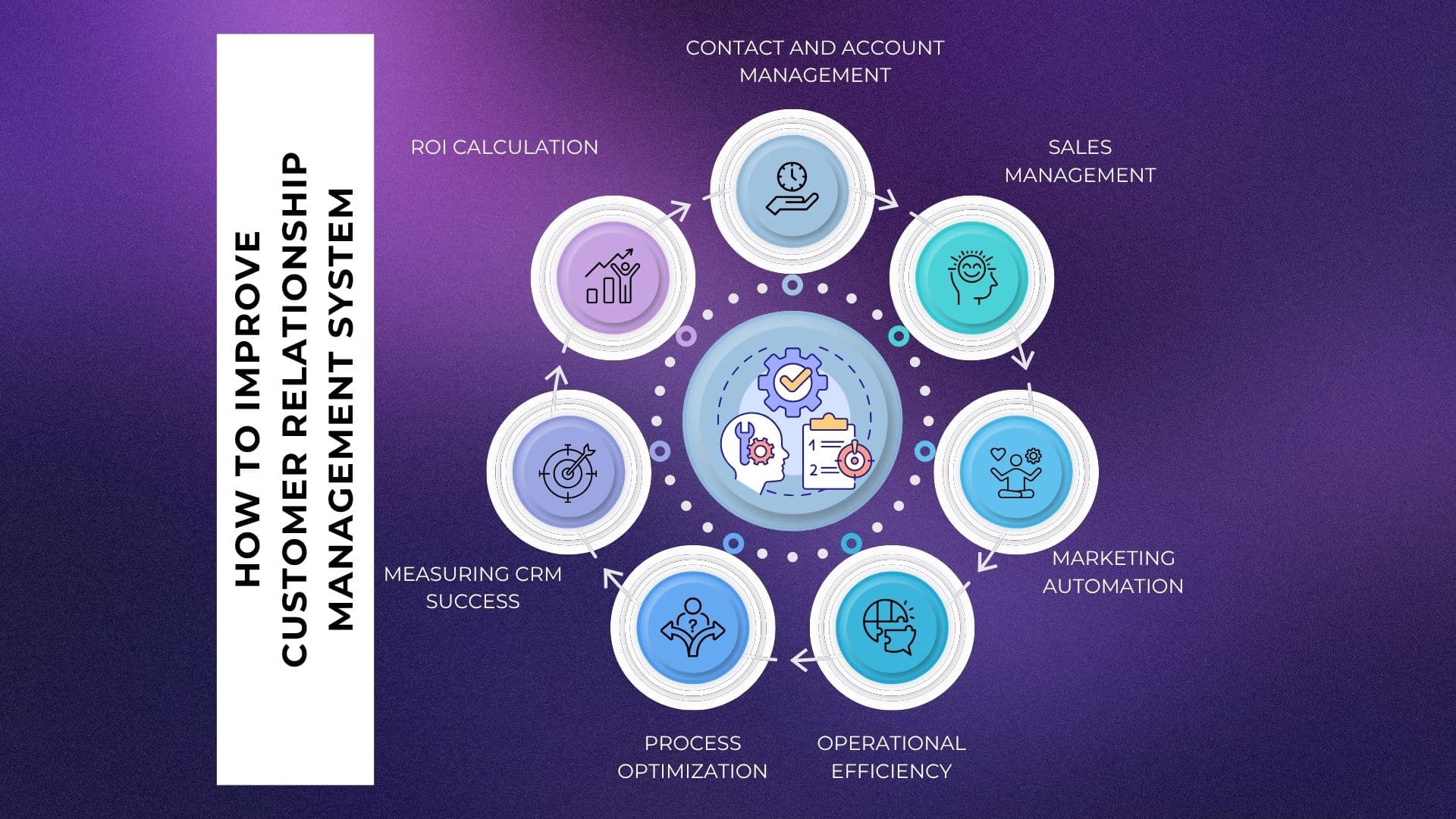
Centralized Customer Database - Complete customer profiles: Demographics, contact information, and preferences - Interaction history: All communications, meetings, and touchpoints - Document storage: Contracts, proposals, and important files - Relationship mapping: Connections between contacts and accounts - Social media integration: Social profiles and activity tracking Data Organization and Management - Hierarchical structures: Accounts, contacts, and subsidiary relationships - Custom fields: Business-specific information capture - Data validation: Ensure accuracy and completeness - Duplicate management: Automatic detection and merging - Data enrichment: Automatic updates from external sources
Opportunity Tracking - Deal progression: Visual pipeline management - Revenue forecasting: Predictive sales analytics - Probability scoring: Likelihood of deal closure - Competition tracking: Competitive analysis and positioning - Win/loss analysis: Learn from successes and failures Sales Process Automation - Lead assignment: Automatic routing based on criteria - Activity scheduling: Automated task and follow-up creation - Quote generation: Streamlined proposal and pricing - Approval workflows: Deal review and authorization processes - Performance tracking: Individual and team metrics
Campaign Management - Email marketing: Automated drip campaigns and newsletters - Lead nurturing: Multi-touch prospect development - Landing pages: Integrated lead capture and conversion - Social media: Campaign coordination across platforms - Event management: Webinars, trade shows, and conferences Lead Management - Lead capture: Forms, websites, and multi-channel sources - Lead scoring: Qualification and prioritization - Lead routing: Automatic assignment to sales team - Lead nurturing: Automated follow-up and education - Conversion tracking: Marketing ROI and attribution
Case Management - Ticket tracking: Support request management - Issue escalation: Automatic routing based on severity - Knowledge base: Self-service resources and FAQs - Service level agreements: Response time tracking - Customer satisfaction: Feedback and survey integration Communication Channels - Omnichannel support: Email, phone, chat, and social media - Unified inbox: All communications in one place - Response templates: Consistent, efficient communication - Collaboration tools: Team coordination on complex issues - Performance analytics: Support team efficiency metrics
Business Intelligence - Dashboard creation: Real-time performance visualization - Custom reports: Tailored analytics for specific needs - Data visualization: Charts, graphs, and interactive displays - Trend analysis: Historical performance and forecasting - Benchmarking: Industry and competitive comparisons Performance Metrics - Sales analytics: Revenue, conversion rates, and pipeline health - Marketing metrics: Campaign performance and lead generation - Customer analytics: Satisfaction, retention, and lifetime value - Team performance: Individual and group productivity - ROI analysis: Return on investment across activities
Focus: Streamlining customer-facing processes Key Features: - Sales force automation (SFA) - Marketing automation - Customer service automation - Contact management - Pipeline management Best For: Businesses prioritizing process efficiency and automation
Focus: Data analysis and customer insights Key Features: - Data warehousing and mining - Customer segmentation - Predictive analytics - Performance reporting - Business intelligence Best For: Data-driven organizations seeking deep customer insights
Focus: Improving communication and collaboration Key Features: - Communication tools - Document sharing - Team collaboration - Partner integration - Customer portals Best For: Businesses with complex, team-based customer interactions
Focus: Long-term customer relationship building Key Features: - Customer lifecycle management - Loyalty programs - Retention strategies - Value optimization - Relationship analytics Best For: Companies focused on customer lifetime value and retention
Enhanced Customer Experience - Personalized interactions: Tailored communications based on customer data - Consistent service: Unified customer experience across touchpoints - Faster response times: Quick access to customer information and history - Proactive support: Anticipate needs and address issues early - Customer satisfaction: Improved service quality and relationship building Better Customer Understanding - 360-degree view: Complete customer profile and interaction history - Behavioral insights: Understanding customer patterns and preferences - Segmentation: Group customers by characteristics and behavior - Lifecycle tracking: Monitor customer journey and progression - Feedback integration: Capture and act on customer input
Sales Process Optimization - Standardized processes: Consistent approach across sales team - Pipeline visibility: Clear view of opportunities and progress - Forecasting accuracy: Better revenue predictions and planning - Lead prioritization: Focus on highest-value opportunities - Performance tracking: Monitor individual and team success Productivity Improvements - Automation: Reduce manual tasks and administrative work - Time savings: Quick access to information and streamlined processes - Collaboration: Better coordination between team members - Mobile access: Work from anywhere with full functionality - Integration: Connect with other business tools and systems
Targeted Campaigns - Audience segmentation: Precise targeting based on customer data - Personalization: Customized messages and offers - Multi-channel coordination: Consistent messaging across platforms - Campaign tracking: Measure performance and ROI - Lead nurturing: Automated prospect development Marketing Intelligence - Campaign analytics: Detailed performance metrics and insights - Attribution modeling: Understand customer journey and touchpoints - ROI measurement: Track return on marketing investments - A/B testing: Optimize campaigns through experimentation - Competitive analysis: Monitor market trends and competitor activity
Process Automation - Workflow automation: Streamline routine tasks and processes - Data synchronization: Automatic updates across systems - Document management: Centralized storage and organization - Approval processes: Automated review and authorization - Reporting automation: Scheduled reports and alerts Cost Reduction - Reduced overhead: Lower administrative costs - Improved efficiency: Higher productivity per employee - Better resource allocation: Optimize team assignment and focus - Reduced errors: Automated processes minimize mistakes - Scalability: Handle growth without proportional cost increases
Current State Analysis - Process documentation: Map existing customer management processes - Pain point identification: Identify inefficiencies and bottlenecks - Stakeholder interviews: Gather input from key team members - Data audit: Assess quality and completeness of existing data - Integration requirements: Identify necessary system connections Requirements Definition - Functional requirements: Specific features and capabilities needed - Technical requirements: Integration, security, and performance needs - User requirements: Role-specific needs and workflows - Scalability planning: Future growth and expansion considerations - Budget planning: Cost estimates and resource allocation
Market Research - Vendor evaluation: Compare available CRM platforms - Feature comparison: Assess capabilities against requirements - Pricing analysis: Total cost of ownership evaluation - Reference checks: Speak with existing customers - Demo sessions: Hands-on evaluation of platforms Selection Criteria - Functionality fit: Alignment with business requirements - Ease of use: User interface and adoption considerations - Integration capabilities: Ability to connect with existing systems - Scalability: Platform ability to grow with business - Vendor stability: Company reputation and long-term viability
System Configuration - Platform setup: Initial configuration and customization - Data migration: Transfer existing data to new system - Integration development: Connect with other business systems - User setup: Create accounts, roles, and permissions - Testing: Comprehensive system and integration testing Process Design - Workflow creation: Design automated processes and workflows - Customization: Tailor system to specific business needs - Security configuration: Implement appropriate access controls - Performance optimization: Ensure system speed and reliability - Documentation: Create user guides and process documentation
Training Program - Role-based training: Customized training for different user types - Hands-on workshops: Practical training with real scenarios - Super-user development: Train internal champions and experts - Ongoing education: Regular training updates and refreshers - Support resources: Help documentation and training materials Change Management - Communication plan: Regular updates and progress reports - Adoption incentives: Encourage system usage and engagement - Feedback collection: Gather user input and suggestions - Issue resolution: Address problems and concerns quickly - Success celebration: Recognize achievements and milestones
Performance Monitoring - Usage analytics: Track system adoption and utilization - Performance metrics: Monitor key performance indicators - User feedback: Regular surveys and feedback collection - System performance: Technical performance and reliability - ROI measurement: Calculate return on investment Continuous Improvement - Process refinement: Optimize workflows and automation - Additional features: Implement advanced capabilities - Integration expansion: Connect additional systems and tools - Training enhancement: Improve education and support programs - Scaling: Expand system usage and functionality
Data Quality - Standardization: Consistent formats and entry standards - Validation: Implement data quality checks and validation - Completeness: Ensure all required fields are populated - Accuracy: Regular audits and corrections - Timeliness: Keep data current and up-to-date Data Governance - Ownership: Assign data stewardship responsibilities - Policies: Establish data management policies and procedures - Privacy compliance: Ensure GDPR, CCPA, and other regulatory compliance - Security: Implement appropriate data protection measures - Backup: Regular data backup and recovery procedures
Training and Support - Comprehensive training: Thorough education on system capabilities - Ongoing support: Regular assistance and troubleshooting - Documentation: Clear user guides and reference materials - Champions program: Develop internal advocates and experts - Feedback loops: Regular communication and improvement Incentives and Motivation - Clear benefits: Communicate value and advantages - Recognition programs: Reward adoption and success - Performance metrics: Tie system usage to performance goals - Leadership support: Management endorsement and participation - Success stories: Share wins and positive outcomes
Standardization - Process documentation: Clear procedures and workflows - Best practices: Identify and share successful approaches - Consistency: Ensure uniform processes across teams - Quality control: Regular process audits and improvements - Training: Ensure all users understand and follow processes Automation Opportunities - Routine tasks: Automate repetitive activities - Data entry: Minimize manual data input - Workflow triggers: Automatic process initiation - Notifications: Automated alerts and reminders - Reporting: Scheduled reports and dashboards
Sales Metrics - Revenue growth: Overall sales performance improvement - Pipeline velocity: Speed of deals through sales process - Conversion rates: Lead-to-customer conversion percentages - Deal size: Average value of closed opportunities - Sales cycle length: Time from lead to closed deal Customer Metrics - Customer satisfaction: Survey scores and feedback - Customer retention: Percentage of customers retained - Customer lifetime value: Total value per customer relationship - Net Promoter Score: Customer advocacy and referral likelihood - Churn rate: Percentage of customers lost over time Operational Metrics - User adoption: Percentage of team actively using system - Data quality: Completeness and accuracy of customer data - Process efficiency: Time savings and productivity improvements - Cost reduction: Operational cost savings achieved - ROI: Return on CRM investment
Cost Components - Software licensing: Platform subscription or license fees - Implementation: Setup, customization, and integration costs - Training: Education and change management expenses - Maintenance: Ongoing support and system administration - Hardware: Any additional technology requirements Benefit Quantification - Revenue increases: Additional sales attributable to CRM - Cost savings: Reduced operational and administrative costs - Productivity gains: Time savings and efficiency improvements - Customer value: Improved retention and lifetime value - Risk mitigation: Reduced compliance and security risks ROI Timeline Expectations - Months 1-6: Initial investment and learning curve - Months 7-12: Early benefits and productivity improvements - Year 2: Significant ROI and performance gains - Year 3+: Sustained competitive advantage and growth
AI-Powered Features - Predictive analytics: Forecast customer behavior and outcomes - Intelligent automation: Smart workflow and process optimization - Natural language processing: Voice and text interaction capabilities - Recommendation engines: Suggest next-best actions and content - Sentiment analysis: Understand customer emotions and satisfaction Machine Learning Applications - Lead scoring: Dynamic qualification based on behavior patterns - Customer segmentation: Automatic grouping based on characteristics - Churn prediction: Early warning for at-risk customers - Price optimization: Dynamic pricing recommendations - Content personalization: Customized messaging and offers
Ecosystem Integration - Marketing platforms: Seamless connection with marketing tools - E-commerce systems: Integration with online sales platforms - Financial systems: Connection with accounting and billing - Support platforms: Unified customer service and support - Business intelligence: Advanced analytics and reporting tools API Development - Open platforms: Easy integration with third-party tools - Real-time synchronization: Instant data updates across systems - Custom integrations: Tailored connections for specific needs - Workflow automation: Cross-platform process automation - Data consistency: Unified information across all tools
Mobile-First Design - Native applications: Full functionality on mobile devices - Offline capabilities: Access to data without internet connection - Location services: GPS integration for field teams - Voice interaction: Hands-free data entry and retrieval - Augmented reality: Enhanced customer interaction capabilities Cloud Advancement - Scalability: Elastic infrastructure for growth - Security: Enhanced data protection and compliance - Performance: Improved speed and reliability - Global accessibility: Worldwide access and collaboration - Cost efficiency: Reduced infrastructure and maintenance costs
Small Business Requirements - Ease of use: Simple, intuitive interface - Affordability: Cost-effective pricing and packages - Quick implementation: Fast setup and deployment - Basic features: Core functionality without complexity - Scalability: Ability to grow with business Enterprise Requirements - Advanced functionality: Comprehensive feature sets - Customization: Extensive configuration options - Integration: Robust API and integration capabilities - Security: Enterprise-grade data protection - Support: Dedicated implementation and support teams
Technology and SaaS - Developer-friendly: API access and customization - Usage tracking: Monitor product adoption and engagement - Subscription management: Recurring revenue tracking - Technical support: Integration with support platforms - Growth analytics: User behavior and expansion tracking Professional Services - Project integration: Connection with project management tools - Time tracking: Monitor billable hours and utilization - Resource planning: Team allocation and capacity management - Client collaboration: Customer portal and communication - Financial integration: Billing and revenue recognition Manufacturing and Distribution - Supply chain integration: Connection with inventory and logistics - Quote management: Complex pricing and configuration - Channel management: Partner and distributor support - Compliance tracking: Industry regulations and standards - Service management: Maintenance and support operations
Customer Relationship Management systems are essential tools for businesses looking to improve customer relationships, increase sales performance, and optimize operations. The right CRM system provides the foundation for sustainable growth by centralizing customer data, automating processes, and providing insights that drive better business decisions. Success with CRM requires careful planning, proper implementation, strong user adoption, and ongoing optimization. As technology continues to advance, CRM systems will become even more powerful with AI integration, enhanced mobile capabilities, and deeper business intelligence. Whether you're a small business looking to organize customer information or an enterprise seeking comprehensive customer management capabilities, investing in the right CRM system can transform your business relationships and accelerate growth. Ready to transform your customer relationships? Explore Inleads.ai's intelligent CRM platform and discover how modern customer relationship management can drive your business success.
Discover more insights about AI sales tools and analytics