Sales Automation Software Complete Guide for 2024
K
By Krishna Vepakomma
Sales & AI Expert
28th December 2024
8 min read
1541 words
By Krishna Vepakomma
Sales & AI Expert
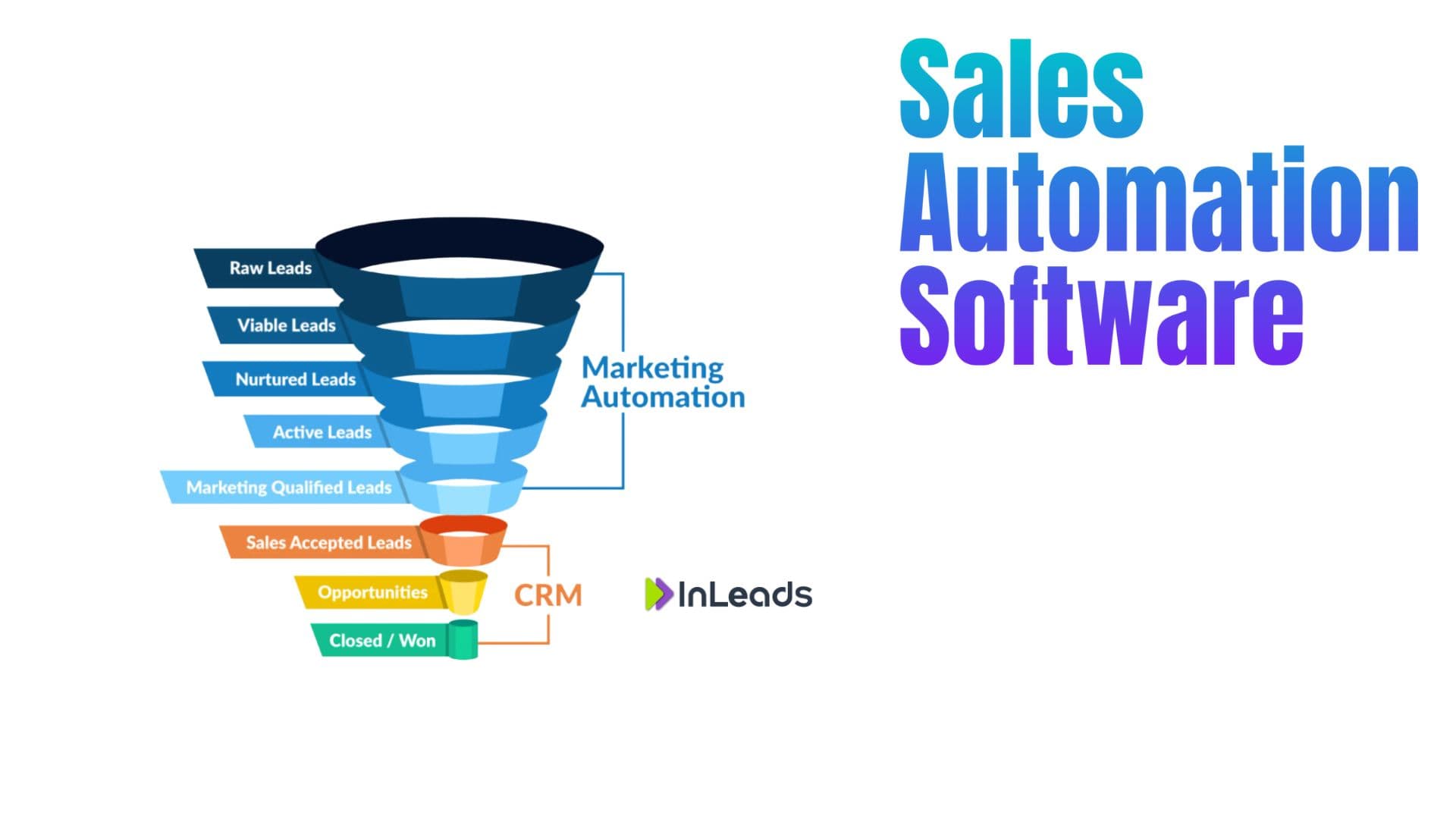
Discover the best sales automation software for your business in 2024. Learn how AI-powered tools can streamline your sales process, increase productivity, and boost revenue. Complete guide with tool comparisons, features, and implementation strategies.
Sales automation software is a technology solution that automates repetitive sales tasks, streamlines workflows, and helps sales teams focus on high-value activities like building relationships and closing deals. These tools leverage artificial intelligence and machine learning to handle routine processes such as lead scoring, email sequences, data entry, and follow-up scheduling. In today's competitive B2B landscape, sales teams using automation tools are 83% more likely to experience revenue growth compared to those relying on manual processes. Sales automation has evolved from simple contact management to sophisticated AI-driven platforms that can predict buyer behavior, personalize outreach at scale, and optimize entire sales funnels.
Advanced sales automation platforms use AI algorithms to automatically score and prioritize leads based on: - Behavioral data and engagement patterns - Demographic and firmographic information - Website activity and content consumption - Social media interactions and intent signals Modern lead scoring goes beyond simple point systems, using machine learning to continuously refine scoring models based on actual conversion data from your sales pipeline.
Email automation features include: - Drip campaigns: Automated email sequences triggered by specific actions - Personalization at scale: Dynamic content insertion based on prospect data - A/B testing: Automated testing of subject lines, content, and send times - Deliverability optimization: AI-powered send time optimization and spam prevention
Sales automation tools integrate seamlessly with existing CRM systems to: - Automatically update contact records and deal stages - Sync data across multiple platforms and tools - Eliminate manual data entry and reduce errors - Provide real-time visibility into pipeline health
Automated reporting capabilities include: - Real-time dashboard updates with key performance metrics - Predictive analytics for sales forecasting - Pipeline analysis and bottleneck identification - ROI tracking and attribution reporting
Sales automation can increase team productivity by 30-50% by eliminating time spent on: - Manual data entry and contact updates - Repetitive email outreach and follow-ups - Lead qualification and scoring processes - Report generation and pipeline analysis
Automated lead scoring and nurturing systems help sales teams: - Focus on the most promising prospects - Deliver timely, relevant communications - Reduce lead response times by 61% - Increase conversion rates by 25-30%
Automation enables: - Consistent, timely communication across all touchpoints - Personalized experiences based on prospect behavior - Faster response times and issue resolution - Seamless handoffs between marketing and sales teams
AI-powered automation provides: - More accurate revenue predictions - Early identification of at-risk deals - Data-driven insights for strategic planning - Real-time pipeline visibility for managers
HubSpot Sales Hub - Free tier available with basic automation features - Advanced AI tools for lead scoring and email optimization - Seamless integration with marketing and service hubs - Best for: Small to mid-size businesses looking for comprehensive solution Salesforce Sales Cloud - Enterprise-grade automation with Einstein AI - Extensive customization and third-party integrations - Advanced reporting and analytics capabilities - Best for: Large enterprises with complex sales processes
Outreach.io - Advanced sales engagement platform - Sophisticated email and call automation - Detailed analytics and performance tracking - Best for: High-volume outbound sales teams SalesLoft - Revenue orchestration platform - AI-powered conversation intelligence - Integrated coaching and training tools - Best for: Enterprise sales teams focused on deal velocity
Inleads.ai - AI-driven sales and analytics platform - Automated lead capture and scoring - Advanced growth analytics and reporting - Integration with major marketing platforms - Best for: Startups and growing businesses focused on data-driven growth
Before implementing sales automation, establish: - Specific goals and success metrics - Current process pain points and bottlenecks - Expected ROI and timeline for results - Team training and adoption requirements
Begin automation with: - Lead capture and qualification - Email follow-up sequences - Data entry and contact management - Basic reporting and analytics
Successful automation requires: - Clean, accurate contact and company data - Consistent data entry standards and procedures - Regular data audits and cleanup processes - Integration between all sales and marketing tools
Effective adoption requires: - Comprehensive training on new tools and processes - Clear documentation and standard operating procedures - Regular coaching and performance feedback - Ongoing support and troubleshooting resources
Many businesses struggle with: - Connecting disparate systems and databases - Maintaining data consistency across platforms - Migrating historical data without errors - Solution: Choose tools with robust APIs and work with integration specialists
Sales teams may resist automation due to: - Fear of technology replacing human relationships - Concerns about learning new systems - Skepticism about automation effectiveness - Solution: Demonstrate clear value and provide comprehensive training
Common mistakes include: - Automating processes that require human touch - Creating impersonal, robotic customer experiences - Failing to maintain personal relationships - Solution: Balance automation with personalized outreach
Most businesses see: - Month 1-3: Initial setup and team training - Month 4-6: 15-25% improvement in productivity metrics - Month 7-12: 30-50% increase in qualified leads and conversions - Year 2+: Sustained growth and optimized processes
The next generation of sales automation includes: - AI chatbots for initial prospect qualification - Voice AI for call analysis and coaching - Natural language processing for email optimization - Predictive conversation analytics
Emerging trends include: - Hyper-personalized content generation - Dynamic pricing and proposal automation - Behavioral-based engagement timing - Predictive customer journey mapping
Future developments include: - Virtual and augmented reality for product demos - Blockchain for secure customer data management - IoT integration for product usage insights - Advanced machine learning for pattern recognition
Consider these factors: - Budget constraints: Look for freemium options or affordable pricing tiers - Ease of use: Choose intuitive platforms with minimal learning curves - Scalability: Ensure the platform can grow with your business - Integration: Verify compatibility with existing tools and systems Recommended Options: - Inleads.ai: AI-first platform designed for growing businesses - HubSpot: Comprehensive free tier with upgrade options - Pipedrive: Simple, affordable CRM with automation features
Focus on: - Advanced customization: Ability to tailor workflows to complex processes - Security and compliance: Enterprise-grade data protection and regulatory compliance - Integration capabilities: Robust APIs and pre-built integrations - Support and training: Comprehensive onboarding and ongoing support Recommended Options: - Salesforce: Industry-leading enterprise platform - Microsoft Dynamics 365: Integrated with Microsoft ecosystem - Oracle Sales Cloud: Comprehensive enterprise solution
Document your existing sales workflow: - Map out each stage of your sales process - Identify repetitive, time-consuming tasks - Calculate current conversion rates and cycle times - Gather input from sales team members
Define specific objectives: - Increase lead response speed by X% - Improve conversion rates by Y% - Reduce administrative time by Z hours per week - Achieve ROI within specific timeframe
Evaluate options based on: - Feature requirements and current needs - Budget and pricing structure - Integration requirements - Vendor reputation and support quality
Create a detailed rollout plan: - Data migration and system setup timeline - Team training schedule and resources - Pilot testing with small group - Full deployment and optimization phases
Sales automation software has become essential for businesses looking to scale their sales operations efficiently. By automating repetitive tasks, improving lead quality, and providing data-driven insights, these tools enable sales teams to focus on what they do best: building relationships and closing deals. The key to successful implementation lies in choosing the right platform for your business needs, ensuring proper training and adoption, and continuously optimizing your automated processes based on performance data. As AI technology continues to advance, sales automation will become even more sophisticated, offering unprecedented opportunities for businesses to accelerate growth and improve customer experiences. Companies that embrace these technologies today will be best positioned to compete effectively in tomorrow's market. Ready to transform your sales process with automation? Explore Inleads.ai's AI-powered sales platform and discover how automation can accelerate your business growth.
Discover more insights about AI sales tools and analytics